




How Blaxel Closed Businesses Without Slowing Down
Reference case study. This pageins a true compliance journey as an example of how an expert-backed compliance platform can help a technical company formalize security.
The Challenge: Blaxel already had strong technical security foundations, but greater customer opportunities have introduced formal requirements in terms of insurance, documentation and governance.
The Approach: The program started with SOC2, then reused the resulting control structure over ISO27001, privacy requirements and health data obligations, instead of treating each framework as a separate project.
The Results:
- The SOC2 report issued as the basis for broader compliance;
- ISO27001, HIPAA,GDPRand CCPA requirements combined in a single operating model;
- Business sales could continue without complying with a full-time engineering project.
About Blaxel
Blaxel Its perpetual sandbox media are designed to keep context and resume execution quickly, rather than behave as short-lived single-use media.
When a company hosts agent execution, inference, memory, and customer work tasks on the same infrastructure, security becomes part of the product itself.
Blaxel has taken security seriously from the beginning. The challenge was to prove that the position in a way that enterprise procurement and security teams could consistently evaluate.
Strong security foundations, but no room for compliance
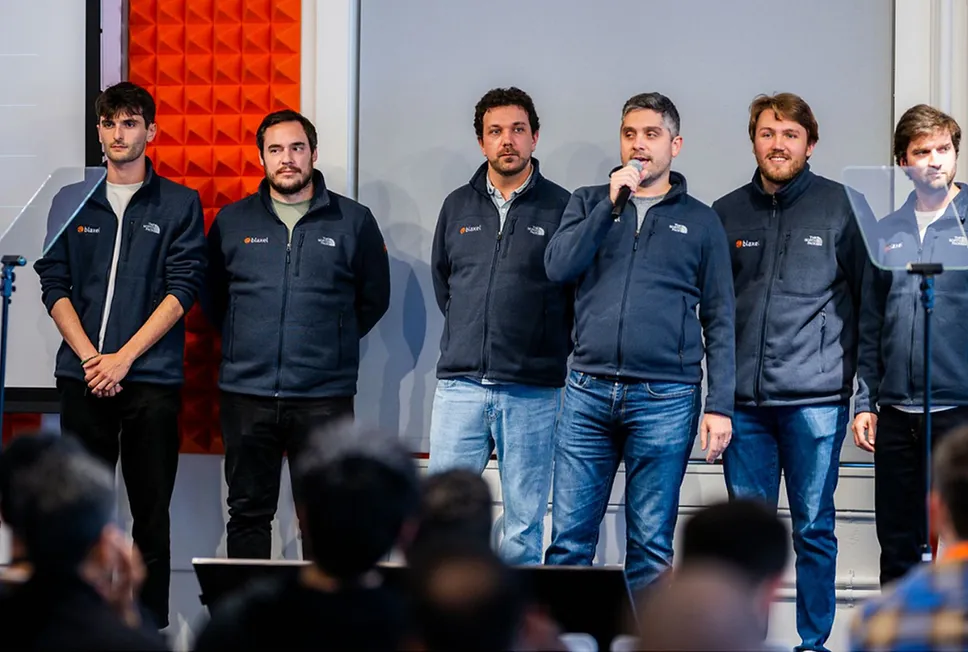
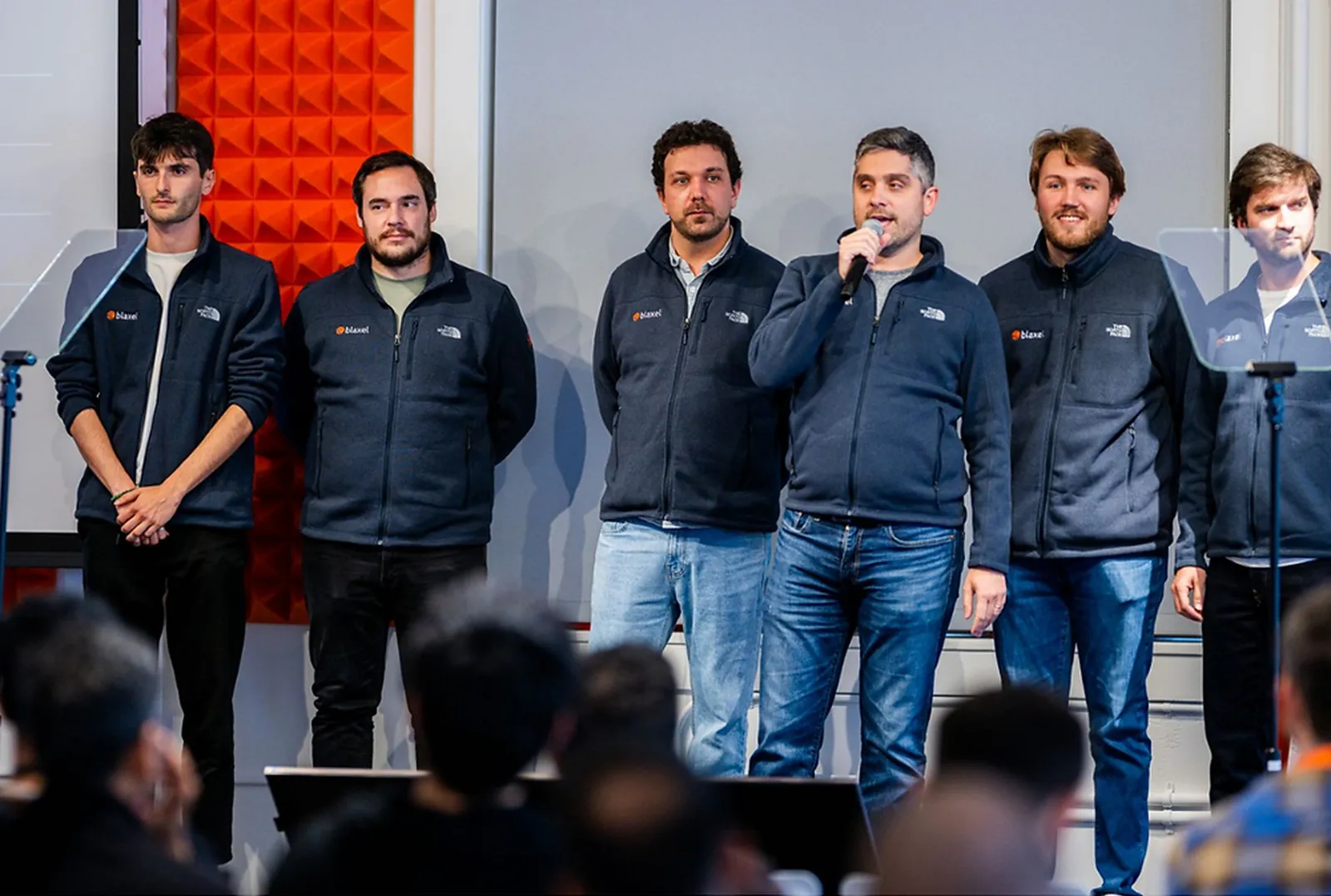
Blaxel was a small and senior technical team that built a deep AI infrastructure. Architecture, access control and operational security have already been major engineering concerns.
However, as business opportunities emerged, informal good practices were no longer enough.
- Security questionnaires with evidence-based answers;
- documented policies and ownership;
- formal risk management;
- SOC 2 assurance;
- confidentiality and sector-specific requirements;
- a clear process for security exceptions and their remediation.
It is a common turning point for technical companies.Organization can already be safe in practical terms, but commercial growth requires security to be structured, evidenced and repeatable.
A compliance operating model, not another checklist
The useful model in this reference case was to treat the software and expert guidance as a single operating model.
Rather than asking engineers to maintain a separate universe of compliance spreadsheets, the program could centralize:
- controlul şi controlul proprietarilor;
- policies and approvals;
- evidence;
- risk assessments;
- vendor reviews;
- findings and remediation;
- framework mappings;
- audit preparation.
Technical questions still require technical judgment, but the burden of coordination and evidence management should not lie on each engineer individually.
A company or a professional consultant can operate the ZebraByteCloud platform directly, or ZebraByteManaged Compliance can take responsibility for more of the program when the customer wants a hands-off approach.
SOC 2 first, then reuse the foundation
The first formal milestone in this case was SOC2. once the core program existed, the related frames became easier to approach as many controls could be mapped rather than recreated.
For example:
- Identity and access control can support multiple frameworks.
- Risk management can fuel both security and confidentiality obligations;
- proof of supplier management may be reused in insurance schemes;
- incident-response processes can satisfy overlapping expectations;
- policy approvals and recurring revisions may beined once and mapped several times.
This avoids the common failure mode in which SOC2,ISO27001,GDPR, HIPAA and other requirements become isolated projects with duplicate evidence and competing owners.
Compliance as a facilitated enterprise
For a company that sells critical infrastructure, formal insurance can remove friction from sales, rather than add it.
Once the security program becomes audible, the company can respond to enterprise questions faster, demonstrate how controls work, and provide buyers with a clearer path through diligence.
The wider lesson is not that every start-up needs every frame immediately; it is that the compliance architecture should be reusable enough that a new framework does not force the team to start from scratch.
What can another technical company take from this case
A similar company can use the following sequence:
- Start with the commercial or regulatory requirement that actually blocks growth. Don’t deploy frames just to accumulate badges.
- Invent controls that are already working in production. Good engineering should become the starting point for compliance.
- Formalize the missing governance. Define owners, policies, evidence, and repeated reviews.
- Build one control library. Mapp multiple frames in that library, instead ofining separate programs.
- Keep expert judgement available. Automation can collect and organize evidence, but decisions on scope, risk and remedy still require expertise.
- Use the program continuously. Compliance should remain part of the operations after the audit is completed.
Especially for AI infrastructure, this foundation can become part of the enterprise’s value proposition: buyers get evidence that systems running sensitive workloads are supported by a mature security program.
